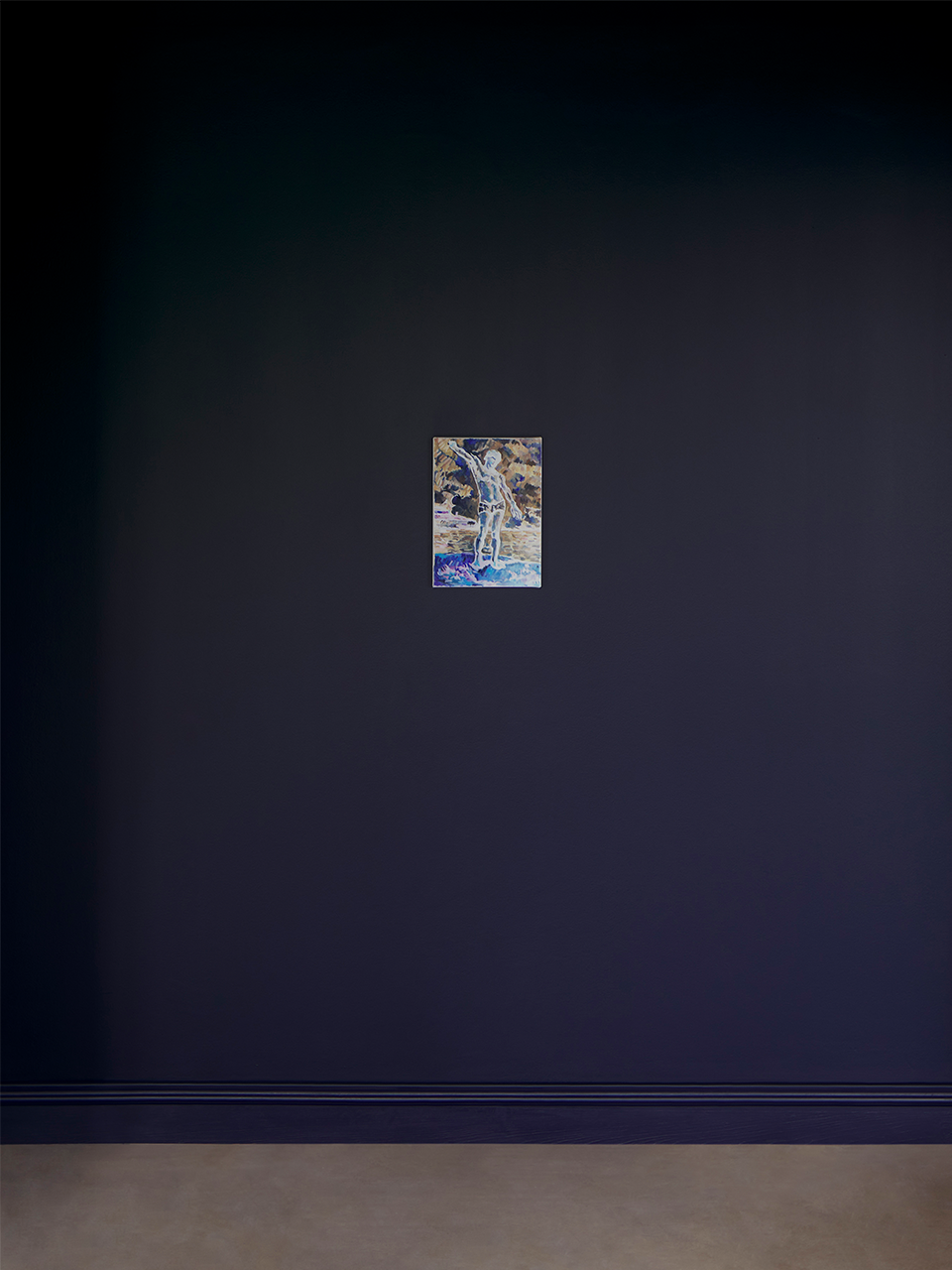
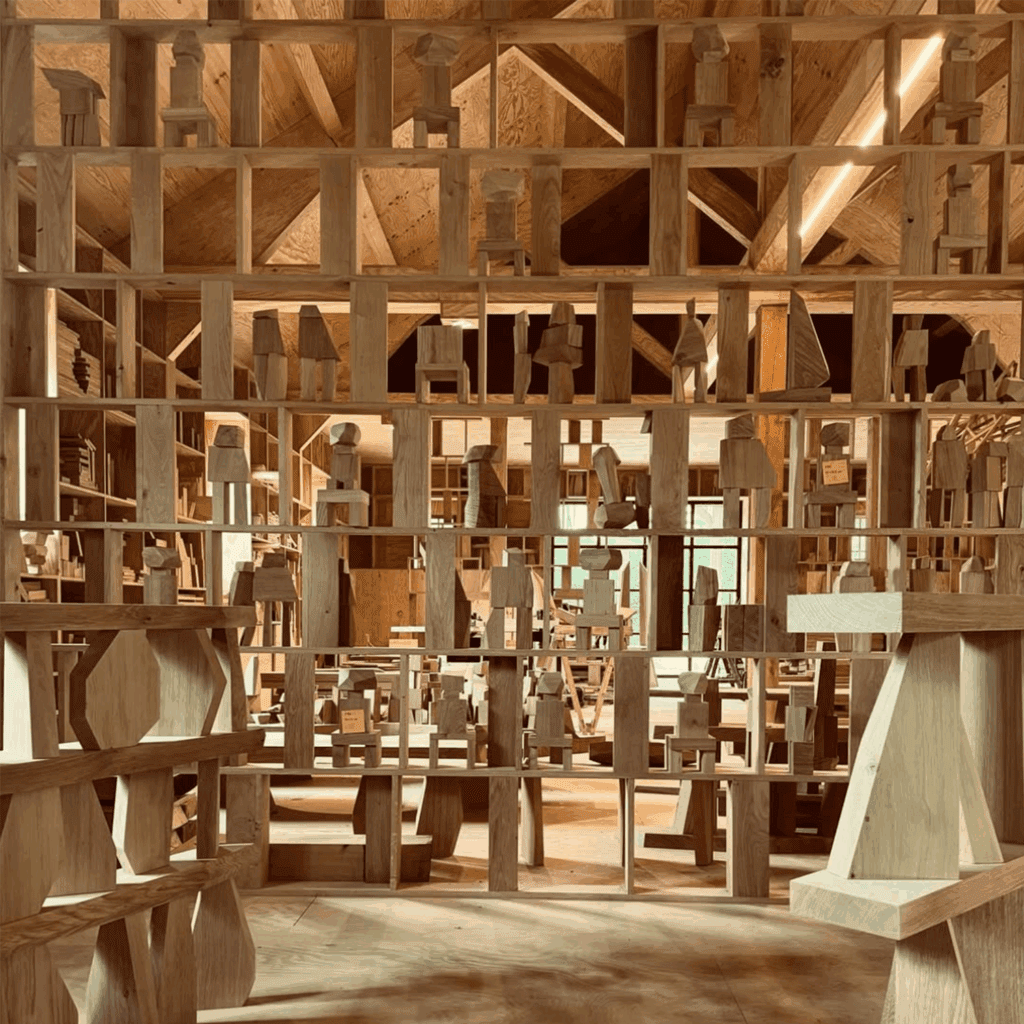
Villa Atrata is a site for exhibitions, research, residencies, a collaborative project focusing on contemporary art, master crafts and culinary experience. Advocating for a more measured approach to contemporary creation, its activities are based on the southern edge of the Loire Valley and its Paris extension, located in the Jardin du Palais Royal.
STORY
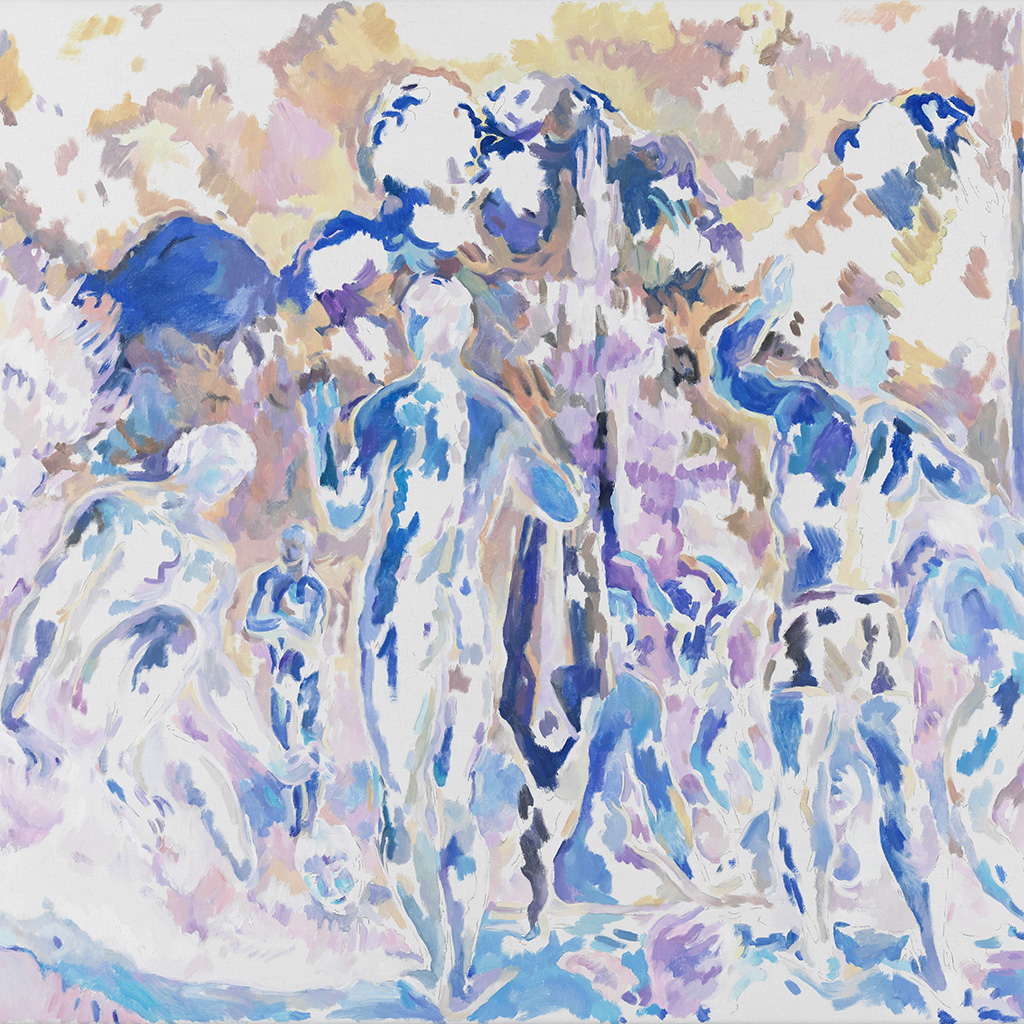
Taking its name from the painting in Francis Picabia’s Transparences series, Villa Atrata becomes a sign of what lies outside the realm of normal expectations.
Gil Presti opened Villa Atrata in May 2022 with a residency and exhibition by Nick Mauss. Following 12 years living in New York, where he worked with Larry Gagosian at 980 Madison Avenue, he co-founded Campoli Presti gallery in London and Paris. For 20 years, the gallery presented exhibitions by historical figures such as Martin Barré, Marcel Broodthaers, Sarah Charlesworth, William Eggleston, Michael Krebber, Louise Lawler, Michelangelo Pistoletto and Franz West. Contemporary artists Katherine Bradford, Liz Deschenes, Rochelle Feinstein, Jutta Koether, Scott Lyall, Nick Mauss, Amy Sillman, Cheyney Thompson, John Miller, Eileen Quinlan, Blake Rayne, Reena Spaulings formed the core of its programme.
Opened in October 2023, Villa Atrata Paris extension, is a 22 sqm gallery space providing an intimate and focused environment located in the historical Jardin du Palais Royal.
The Palais Royal, located in the center of the city, just a few steps from the Louvre Museum, the Comédie Française, the Bourse de Commerce — Pinault Collection and the Cartier Foundation, has been the cultural heart of Paris for over four centuries.
CURRENT EXHIBITIONS


Alexander Tovborg
THOMAS
Chapter 1
Curated by Kristian Vistrup Madsen
28 March – 31 May
Villa Atrata
26 rue du Pont, 86260 Angles-sur-l’Anglin
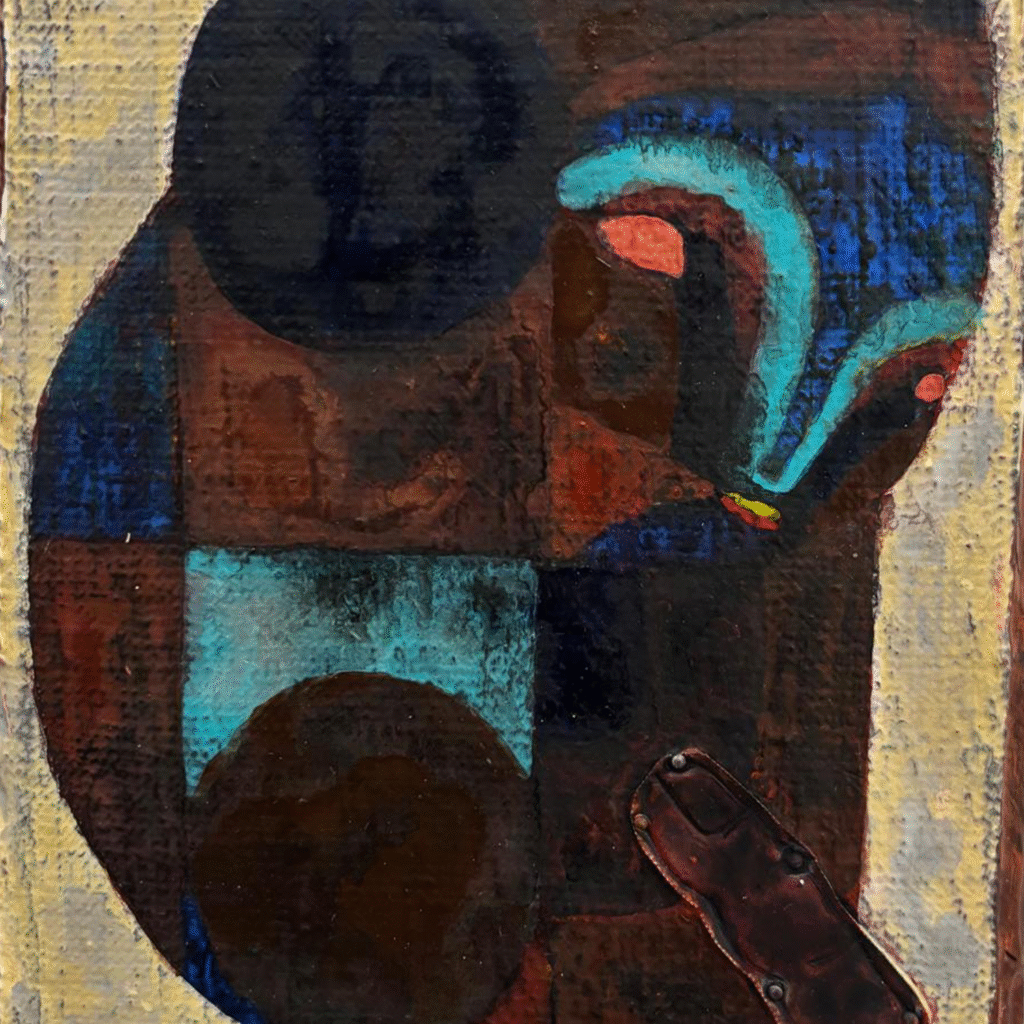
Thomas is a two-part exhibition by Danish artist Alexander Tovborg, curated by Kristian Vistrup Madsen. The first chapter is on view in Angles-sur-l’Anglin, while the second will be presented in Paris. For his first solo exhibition in France, Alexander Tovborg has created a new series of icons, accompanied by a text by the curator.
Thomas is the name of the incredulous, the one who responded to Christ’s return with a question: can I touch it?
“It” being the wound.
“It” being everything, and at the same time always the wound.
To this question, Jesus answered by leading Thomas’s hand to the wound. The wound, in that way, is the site of faith. For what is faith if not a form of doubt management? A framework for the questions that cannot be answered but which keep announcing themselves nonetheless? And we have seen how, in Caravaggio’s picture, the finger went all the way inside, the scene lit up by that painter’s characteristic white light, like a torch.
In western Christianity this is what Jesus did: he provided evidence to the one who needed it. This is also why there is, in the western Christian tradition, a special emphasis on the sex of Christ, and on his suffering: the pleading eyes, the wound that drips graphically from his side down to the crotch – to provide evidence that he was, indeed, not only human but a man; that he really did die and come back to life.
In the Orthodox tradition, the story of Thomas is less about the hand that was moved to touch the wound than about what Jesus said next: blessed are the ones who have not seen the wound – who have not touched it – and still believe. The orthodox believer needs no evidence; their faith is confessed – in the instance of practice, already resolved. This is why, in Orthodox pictures, the figures are restrained and impersonal, not evocative and persuasive, and why Thomas’s act of incredulity tends to be shown from a distance, not, like Caravaggio’s, in medium close-up.
We can understand this suite of works by Alexander Tovborg as icons: repetitive, even formulaic. We can think of each of them as a prayer, a question formulated again and again without the expectation of an answer, though some kind of knowledge, with each one, slowly emerges from out of the depths.
We can understand this suite of works as icons, and yet something manifests in them that goes beyond the impersonal restraint typical of the Orthodox pictorial tradition: something is undeniably there, flesh-like and full of character, murky and multifarious. Far are they, in any case, from expressions of resolve.
Their title, simply, is T – and it is from this T that I extrapolate THOMAS, careful not to add his usual moniker of Saint. Because T is so short, a mere sound, and we need further enunciation to be able to speak about doubt. But it is not Thomas that we see in these paintings, and neither is it Jesus. What we see is a figure, a simple form, with barely any indexical features. Some of them are dark, as if charred. Others glow from within. Each will phrase the question in their own way, though none, of course, answer.
In some we see a hand, almond-shaped. In others, a finger. In some the hand is flanked by its negative space, the wound, and a striking proposition takes the almond shape: the hand is the wound. For a moment, this much is clear. That the very impetus to touch – that is, to doubt – is where suffering is located in humans, and doubt, as we know, shares this location with faith.
Within this collapse of difference – between hand and wound, Jesus and Thomas – there is suddenly also no difference between touching and not having touched; between evidence and confession, faith and knowledge. We are, perhaps, in a kind of preternatural state where wound, doubt and desire are always-already* as well as not-yet. Where the famous question has not been asked, but there is also no need to. Noli me tangere** said Jesus, but what could he possibly mean? Here Thomas is not Saint, he is not yet even Thomas. He is T, a sign remarkably like the cross, though simpler. A sign that takes its shape after the human body.
* English translation of « immer schon ».
« Always-already » is a philosophical term describing what is already in place before any experience or thought, without a clearly identifiable beginning. It was notably developed by Martin Heidegger in Being and Time (1927).
** Noli me tangere (‘Touch me not’) is the Latin version of a phrase spoken by Jesus to Mary Magdalene when she recognised him after his resurrection (John 20:17).
Alexander Tovborg (b. 1983, lives and works in Copenhagen, Denmark) studied at the Staatliche Akademie der Bildenden Künste, Karlsruhe, Germany and the Royal Danish Academy of Fine Arts, Copenhagen, Denmark.
Painting, drawing, sculpture, and performance share equal space in Tovborg’s multidisciplinary practice that explores the roles that religion and mythology play in human identity and the world we inhabit.
His research into the origins and contemporary iterations of symbology, mysticism, and religious archetypes has yielded varied bodies of work that span subjects such as the hallucinogenic and erotic first meeting of Adam and Eve, the lost adolescence of Jesus Christ, and a wedding procession of paintings representing the marriage of heaven and hell, among other examples.
His work was presented in numerous institutions, including : ARoS, Aarhus, Denmark ; Kunsthal Charlottenborg, Copenhagen, Denmark ; Grand Palais, Paris, France ; Museet for Religiøs Kunst, Lemvig, Denmark ; Museet for Samtidskunst, Roskilde, Denmark ; Camden Arts Centre, London, UK ; Kunsthalle Bremen, Bremen, Germany ; AKEN, Copenhagen, Denmark ; Holstebro kunstmuseum, Holstebro, Denmark ; KØS museum for kunst i det offentlige rum, Køge, Denmark ; Spritmuseum, Stockholm, Sweden ; Vejen Kunstmuseum, Vejen, Denmark ; IMMA Irish Museum of Modern Art, Dublin, Ireland ; Museo Nacional de la Estampa, Mexico City, Mexico ; Kunsthallen 44 Møen, Askeby, Denmark ; Kunstmuseet Køge Skitsesamling, Køge, Denmark ; Odsherred Kunstmuseum, Asnæs, Denmark ; Herning Museum of Contemporary Art, Herning, Denmark ; Hundige Kunsthal, Hundige, Denmark ; Randers Kunstmusem, Randers, Denmark.


F Taylor Colantonio
COSMIA
Salon 94 Design in residence at Villa Atrata Palais Royal, Chapter 2
7 April -9 May
30 galerie de Montpensier
Jardin du Palais Royal, Paris
A moth does not announce itself. It arrives by night, navigating by starlight, drawn to flame—a creature of wings and darkness and longing, a master of disguise. COSMIA takes its name from one such moth, and from a song of the same name by the artist’s friend Joanna Newsom, in which moths carry the weight of grief for a lost beloved. It is a title that has earned its mystery.
Salon 94 is proud to present COSMIA, a solo exhibition by F Taylor Colantonio at 30 Galerie de Montpensier, Palais-Royal, Paris, on view 7 April through 9 May 2026, bringing together a new body of work in polished cartapesta, bronze, and fused glass.
The roots of COSMIA trace to Surrealist Paris: to Meret Oppenheim, who transfigured natural forms into objects of dream, and Leonor Fini, who conjured a world of ritual and mystery. Colantonio’s tradition is that of Diego Giacometti, who dissolved the boundary between furniture and sculpture, ancient form and modern hand, the earthly and the otherworldly.
Where the butterfly has long dominated the cultural iconography of transformation, the moth operates in its shadow, surviving through mimicry and camouflage. Colantonio treats the moth as a symbolic vehicle, a guide, a recurring formal and philosophical obsession. Bronze hinges of varying sizes and functionality—the creation of each one a small act of devotion—are integrated as crucial components of the works, some becoming standalone handheld sculptures themselves, one forming a gold crown. Titles of works are drawn from the taxonomy of Lepidoptera, species whose common English names ripple with mythology.
The show is anchored by mirrors. A large-scale hinged triptych mirror, The Seraphim, has a polished cartapesta frame resembling porphyry, connected with delicate gold patinated bronze hinges whose hinge-pins grow into towering bronze amphorae. In Saturnia, a diptych mirror in Colantonio’s signature green palette, a single bronze hinge sprouts an electrified torchère; Scorched Wing features a segmented oval frame reconstructed with mothlike hinges that swarm a central candle flame. Each mirror’s title borrows from moth nomenclature while reaching toward wider meaning: The Seraphim references both the moth Lobophora halterata and the holiest order of angels—the Burning Ones, the purifiers.
In Vigil—four table lamps—Colantonio combines his bronze hinges into a single serpentine sculpture, their cartapesta bodies covered in the eyespot motifs of moth camouflage. We are being watched, peacefully. From a technical standpoint, Vigil is masterful: the sculptural bronze hinges linking the individual bodies are specially machined to allow electrical wires to pass invisibly from one lamp to the next. Imago, an edition of lost-wax cast bronze chairs, captures the precise moment a moth emerges from its cocoon, wings soft and unfurling. Il Buon Tempo Verrà, a caterpillar-like bronze bench made up of five linked stools—one for each member of the artist’s family—can be individually detached and rejoined, metaphorically allowing for separation, alliance, and return. The stools’ forms are intended to recall excavated core samples of the Earth, and the title, translated as the good time will come, is drawn from an inscription on the gold ring worn by the poet Percy Bysshe Shelley.
Colantonio’s bronzes share a similar relationship with time to Giacometti’s: reaching for neither shine nor monumentality. What unites them further is the refusal to be dated. The material in both bodies of work feels accumulated rather than made, patinated, as though it had always existed. Giacometti drew on archaic forms without ever tipping into revival. Colantonio’s cartapesta technique has roots in Italian carnival and sacred sculpture going back centuries. He uses images from the natural world—the moth, the fossil—that carry no timestamp, that belong simultaneously to ancient funerary art, natural history, and contemporary conceptual practice.
A series of unique, wall-mounted hinged mask sculptures in sand-cast bronze—Comet, Emperor, Siren, Mother of Pearl, Weaver’s Wave, and Feathered Gothic—form an intimate counterpoint to the larger works. Conceptually rooted in the moth’s gift for camouflage and visual mimicry, eyespots become eyeholes, and the works emerge as fantastical self-portraits.
Hovering above it all is Cocoon Nebula, a large-scale lighted canopy in cartapesta, fused glass, and patinated bronze, taking its name from the colloquial moniker for the nebula IC 5146—a vast cloud of gas and dust, birthplace and incubator of new stars. Its suspended glass pendants and fossil-like inclusions suggest a celestial cocoon, referring to Shelley’s lines:
The desire of the moth for the star,
Of the night for the morrow,
The devotion to something afar
From the sphere of our sorrow?
Running as a quiet counterpoint through the exhibition is the fossil. Embedded in the cartapesta surfaces of Vigil, cast into the bronze of Il Buon Tempo Verrà, naturally occurring in the hand-honed marble of Occhi di Bosco, and suspended in the fused glass of Cocoon Nebula, fossil forms accumulate across the body of work as a second, opposing pole—their geological permanence a foil to the moth’s radical brevity. Some moth species live only days as adults, reborn without working mouths, unable to eat, their entire existence as an imago given over to a single purpose before dissolving into dust. The fossil, by contrast, materializes over millions of years: the trace of a bygone creature pressed into stone, surviving long after the life itself has vanished. Yet both are symbols of metamorphosis—one compressed into days, the other unfolding across deep time. Between them stands Colantonio’s bronze hinge: a mechanism of movement rendered in an ancient material, connecting what came before to what comes after.
PAST EXHIBITIONS
Shinsuké Kawahara & Jean-Guillaume Mathiaut
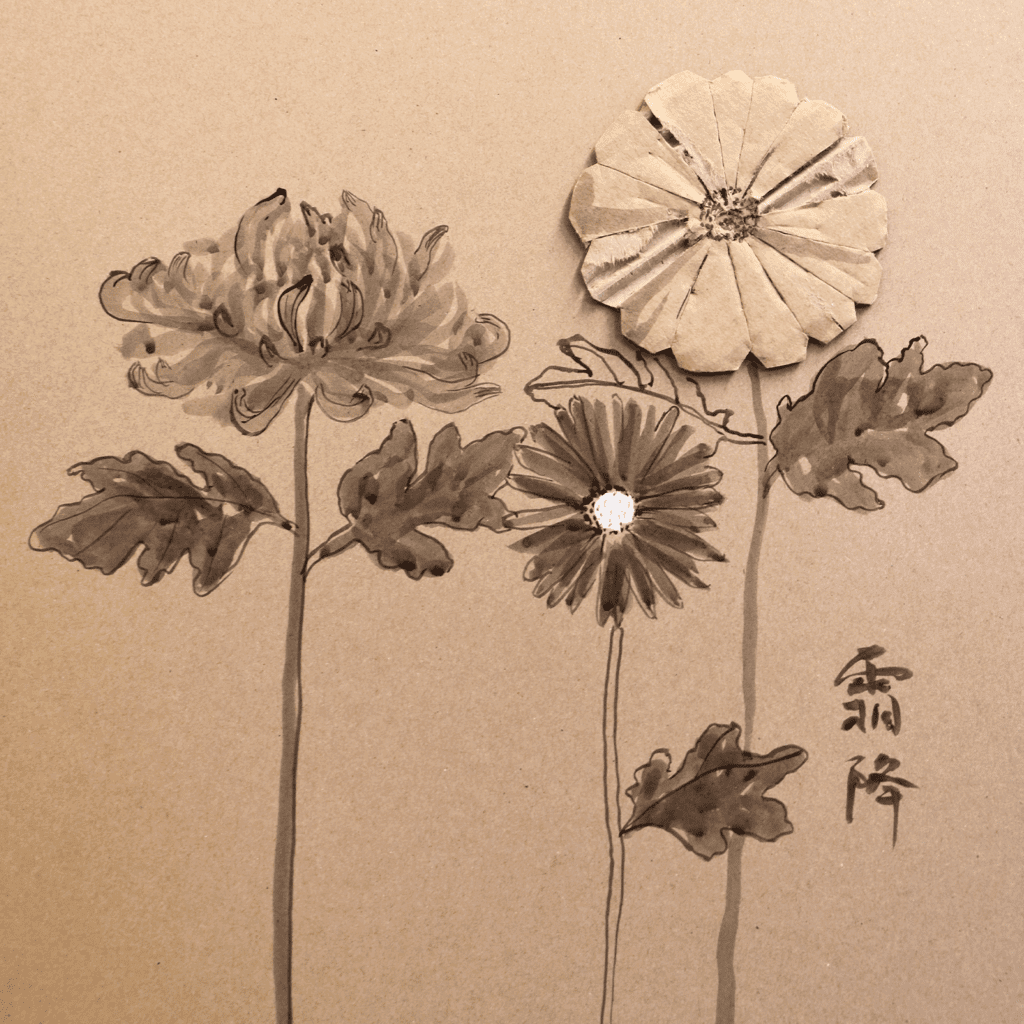
24 Seasons12 February – 21 March 2025Villa Atrata Palais Royal
Jean-Guillaume Mathiaut, At the Palais Royal4 December – 7 February 2026Villa Atrata Palais Royal
Mitsuko Asakura & Bijoy Jain19 October – 22 November 2026Salon 94 in residence at Villa Atrata Palais Royal, chapter 1
Will Sheldon
The Sleepy Château and the Wounded Soldier in the Summertime, Chapter 1
28 August – 28 September 2025
Villa Atrata, Angles-sur-l’Anglin
L’Estropié, Chapter 26 September – 4 October 2025Villa Atrata Palais Royal
Nino Kapanadze, Cavalcades5 June – 19 July 2025Villa Atrata Palais Royal
Nino Kapanadze, Cascades24 May – 22 June 2025Villa Atrata, Angles-sur-l’Anglin
Liminal Ma 間29 April – 31 May 2025Villa Atrata Palais-Royal
Anne Laure Sacriste, River of Shadows25 January – 8 March 2025Villa Atrata Palais-Royal
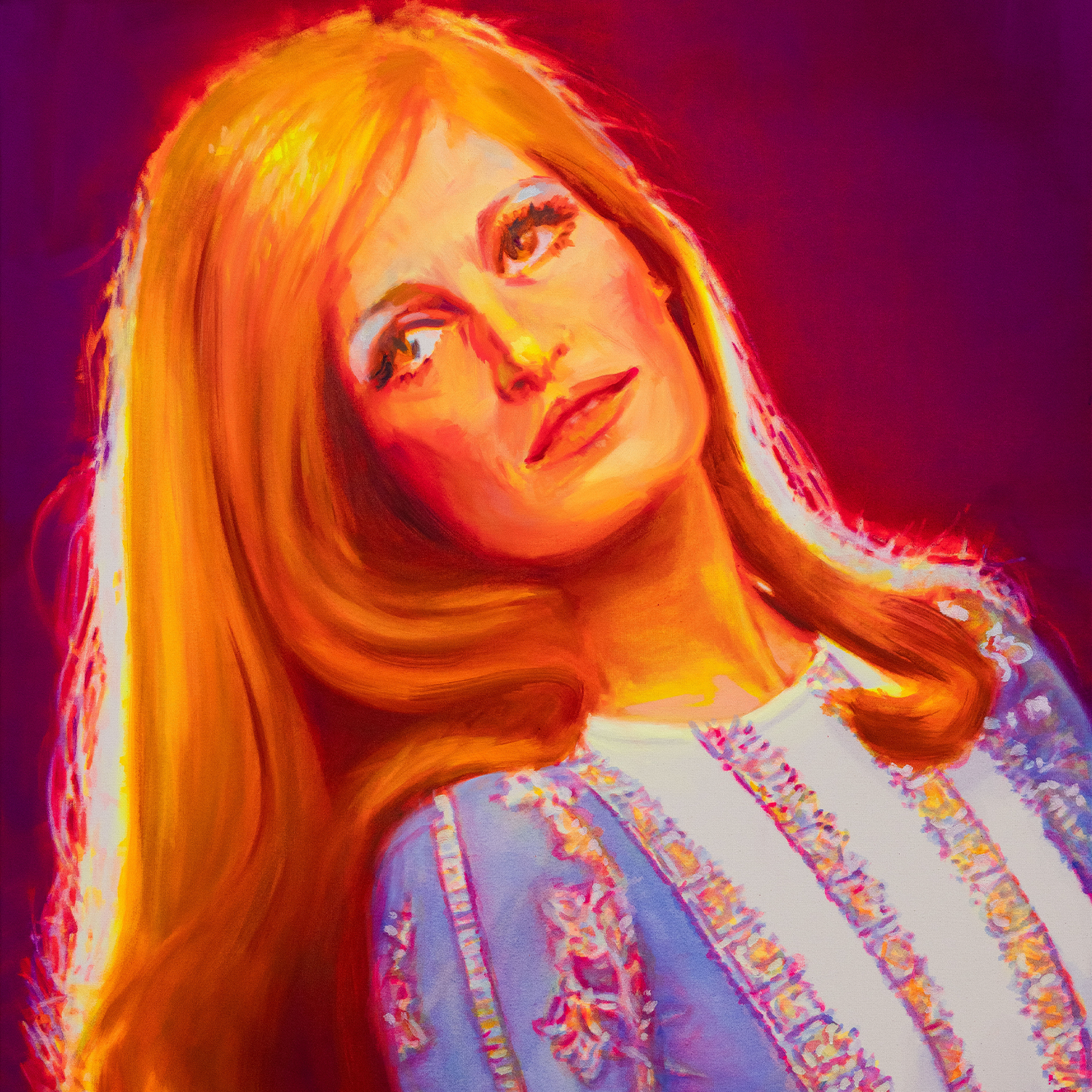
Nina Childress, DOLLY30 November 2024 – 18 January 2025Villa Atrata Palais-Royal
Madeleine Roger-Lacan | Pierre Klossowski
13 October – 23 November 2024
Villa Atrata Palais Royal
Elené Shatberashvili
Paintings and Drawings, Chapter 1
7 September – 8 October 2024Villa Atrata Palais Royal
Crimson, Chapter 228 June – 20 July 2025
Villa Atrata, Angles-sur-l’Anglin
Guillaume Dénervaud, Thulite
18 May – 30 June 2024
Villa Atrata, Angles-sur-l’Anglin
25 May – 13 July 2024
Villa Atrata, Paris
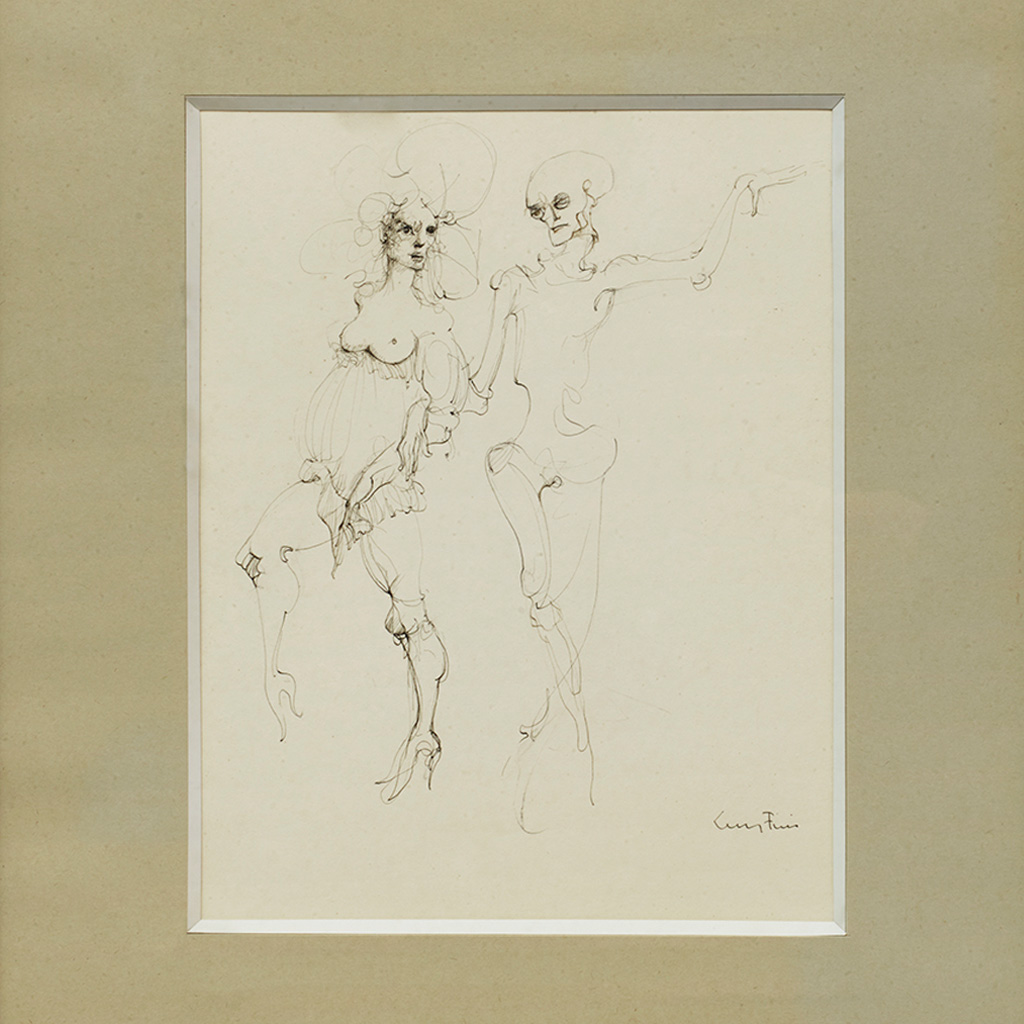
Leonor Fini, Erotic Drawings
19 March – 11 May 2024
Villa Atrata, Paris
Cheyney Thompson, f(torse)
10 February – 16 March 2024
Villa Atrata, Paris
Karen Swami, Bas-reliefs
2 December 2023– 13 January 2024
Villa Atrata, Paris
Sophie Reinhold, Prediction of Forecast
23 September – 11 October 2023
Villa Atrata, Angles-sur-l’Anglin
15 October – 11 November 2023
Villa Atrata Palais-Royal
Dustin Hodges, Pink Shadow
27 May – 1 August 2023
Villa Atrata, Angles-sur-l’Anglin
7 June – 1 July 2023
Villa Atrata Palais-Royal
Megan Francis Sullivan, Likenesses
21 May – 29 October 2022
Villa Atrata, La Roche Posay
Nick Mauss, Likenessess
21 May – 29 October 2022
Villa Atrata, Angles-sur-l’Anglin
Subscribe to ATRATA newsletter
Follow @villa.atrata on Instagram, or contact us by e-mail by clicking on the button below
Villa Atrata Angles-sur-l’Anglin
26 Rue du Pont
86260 Angles-sur-l’Anglin
The exhibitions at the chapel are open on
Saturdays and Sundays from 2PM to 6PM, or by appointment.
Villa Atrata Palais Royal
30 Galerie de Montpensier
Jardin du Palais Royal
75001 Paris
Tuesday – Saturday from 1 PM to 6 PM
Gil Presti
Villa Atrata
86260 Angles-sur-l’Anglin
Chapel St. Croix
26 Rue du Pont
86260 Angles-sur-l’Anglin
The exhibitions at the chapel are open to public
Saturday and Sunday from 2PM to 6PM
or by appointment
Villa Atrata Paris
30 Galerie de Montpensier
Jardin du Palais Royal
75001 Paris
Tuesday – Saturday from 1 PM to 6 PM